What Counts As a Good Domain Rating? (Benchmarks by Stage)
What is a good domain rating in 2026? Real benchmarks by stage, from brand new sites to top quartile indie tools, plus how fast you can move between them.

A good Domain Rating depends on what you're comparing yourself to. For a brand new indie product, DR 10 is solid. For a SaaS chasing organic traffic, you want DR 30+. For anything aiming at competitive keywords, DR 50 is the floor.
The number itself is meaningless without context, so this post gives you the context.
What does "good" mean for an indie builder?
A new domain starts at DR 0. Every dofollow backlink from a credible site nudges that up. Most indie products plateau somewhere, and that ceiling tells you which keywords you can realistically rank for.
Rough stages, ordered by how much organic traffic each unlocks:
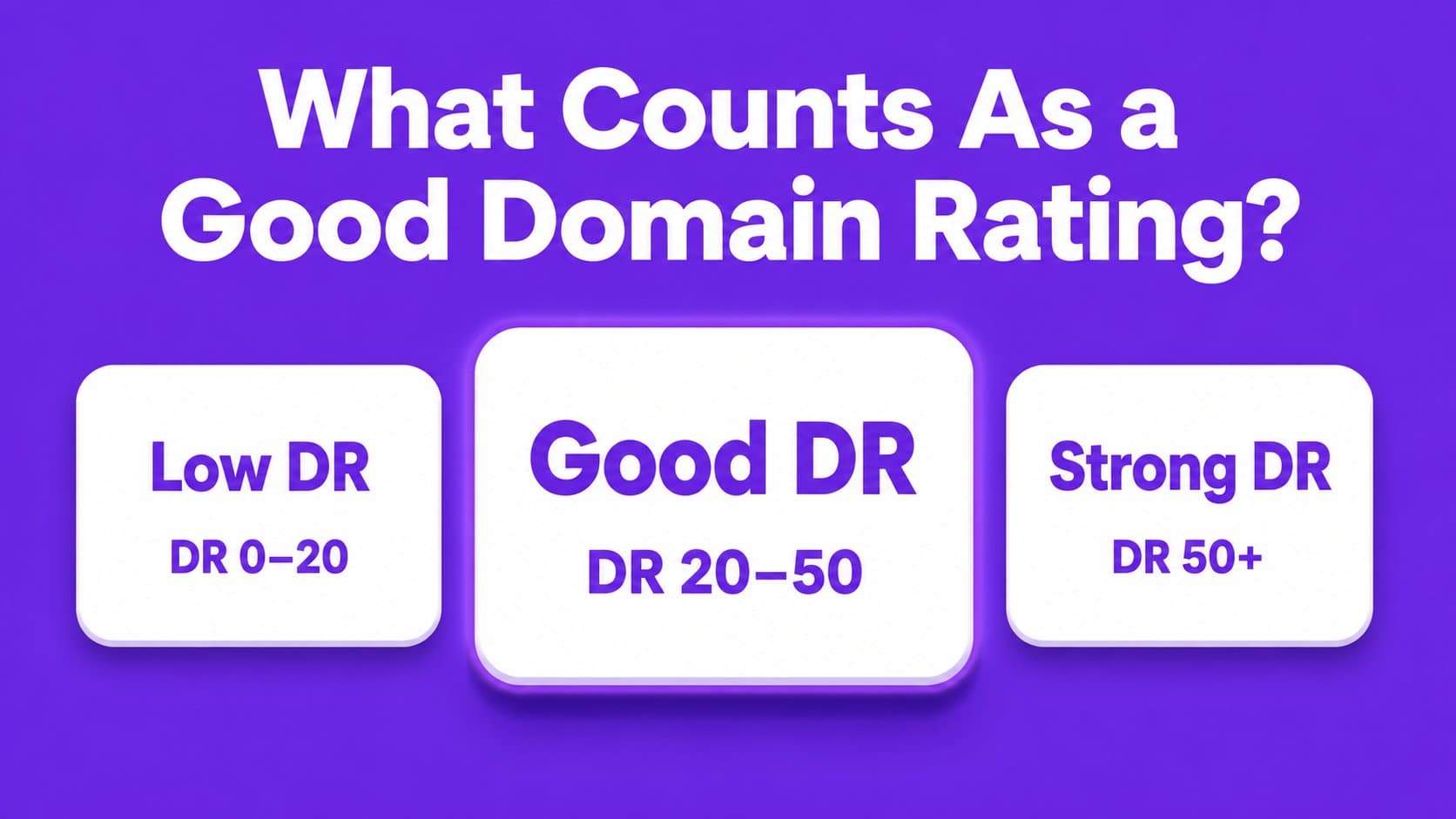
- DR 0 to 10: brand new domain, almost no backlink profile. You can rank for zero-volume long-tail keywords. Useful for credibility, not for traffic.
- DR 10 to 20: you've earned a handful of links. Now you can compete on low-volume keywords with weak competition. This is where most indie products hover for months.
- DR 20 to 35: you've shipped real link-building work. Google starts taking your pages seriously. You can outrank low-effort competitors on medium-volume keywords.
- DR 35 to 50: rare for indie tools without a content team. You can chase competitive keywords with the right on-page work.
- DR 50+: you've built a real authority asset. Most indie founders never get here, and that's fine.
What's a good DR for my industry?
Industry baselines shift the answer a lot. A medical site with DR 20 is weak. A niche developer tool with DR 20 is strong. The honest answer: compare to the top 5 results for your target keyword, not to a generic benchmark.
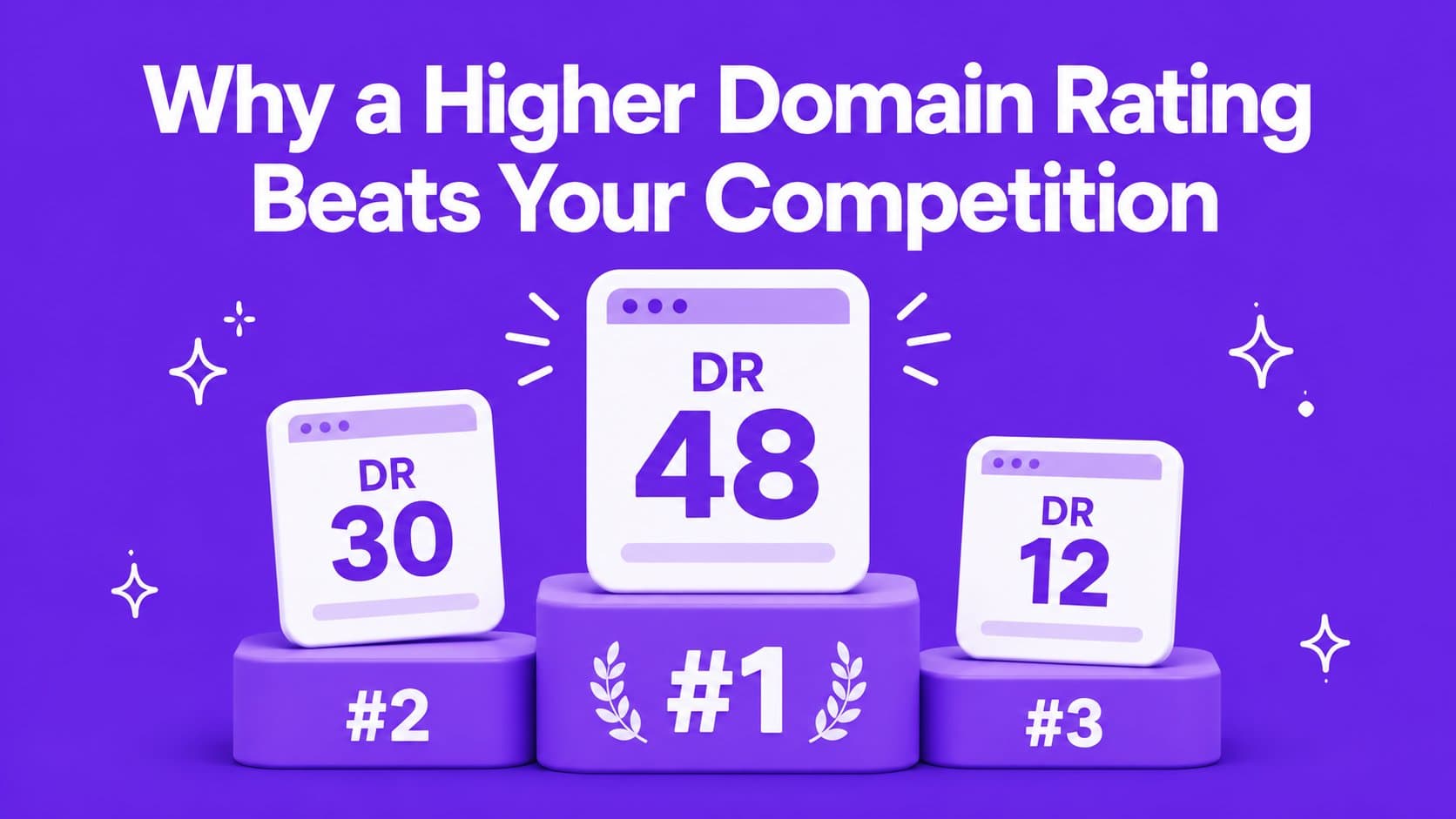
Open Ahrefs, search the keyword you want to rank for, look at the DR of the pages currently ranking. If they're all DR 40+, you need to be in that range to compete. If they're DR 15 and you're DR 20, you're already ahead.
We covered the why DR matters for organic growth angle in detail elsewhere, this post is purely the benchmark question.
How fast can you move between tiers?
Realistic timelines for someone actively working on backlinks:
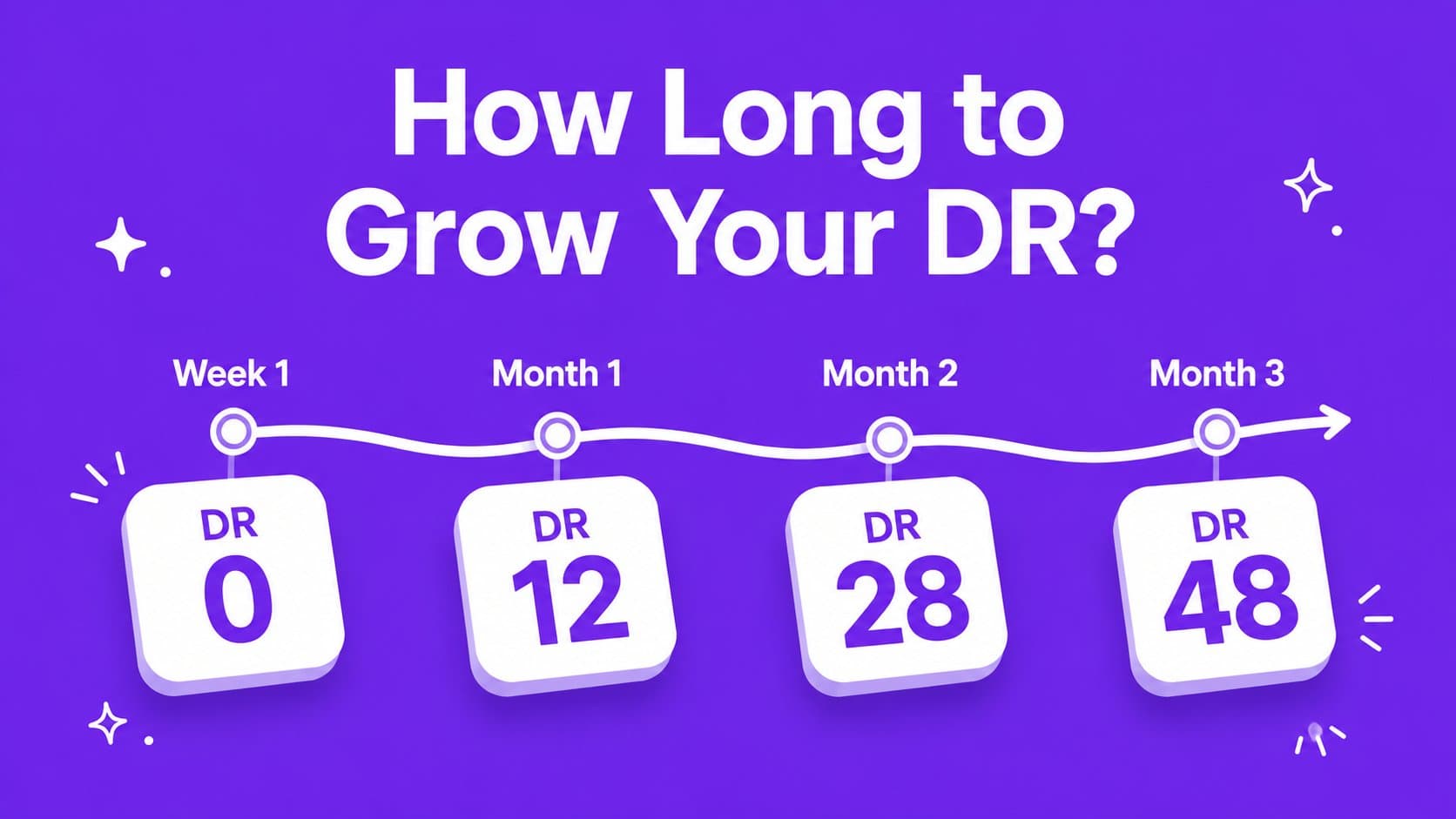
- 0 to 10: 1 to 2 weeks (one good launch round)
- 10 to 20: 4 to 6 weeks (sustained directory submissions)
- 20 to 30: 2 to 3 months (mix of directories + earned links)
- 30 to 40: 6 to 12 months (real content + outreach)
- 40+: years, usually
The first two tiers are almost entirely about submitting your product to vetted directories. Auto Launch handles the first 40+ submissions for you and takes most products from DR 0 to DR 15+ inside a month.
Why DR matters more than people think (and less than they fear)
Two extremes show up in indie SEO conversations:
- Some founders obsess over DR like it's the only metric. It isn't. A DR 50 site that ranks for zero useful keywords beats nothing.
- Others dismiss DR as vanity. It isn't. Below DR 15, your content basically cannot rank in Google for anything competitive.
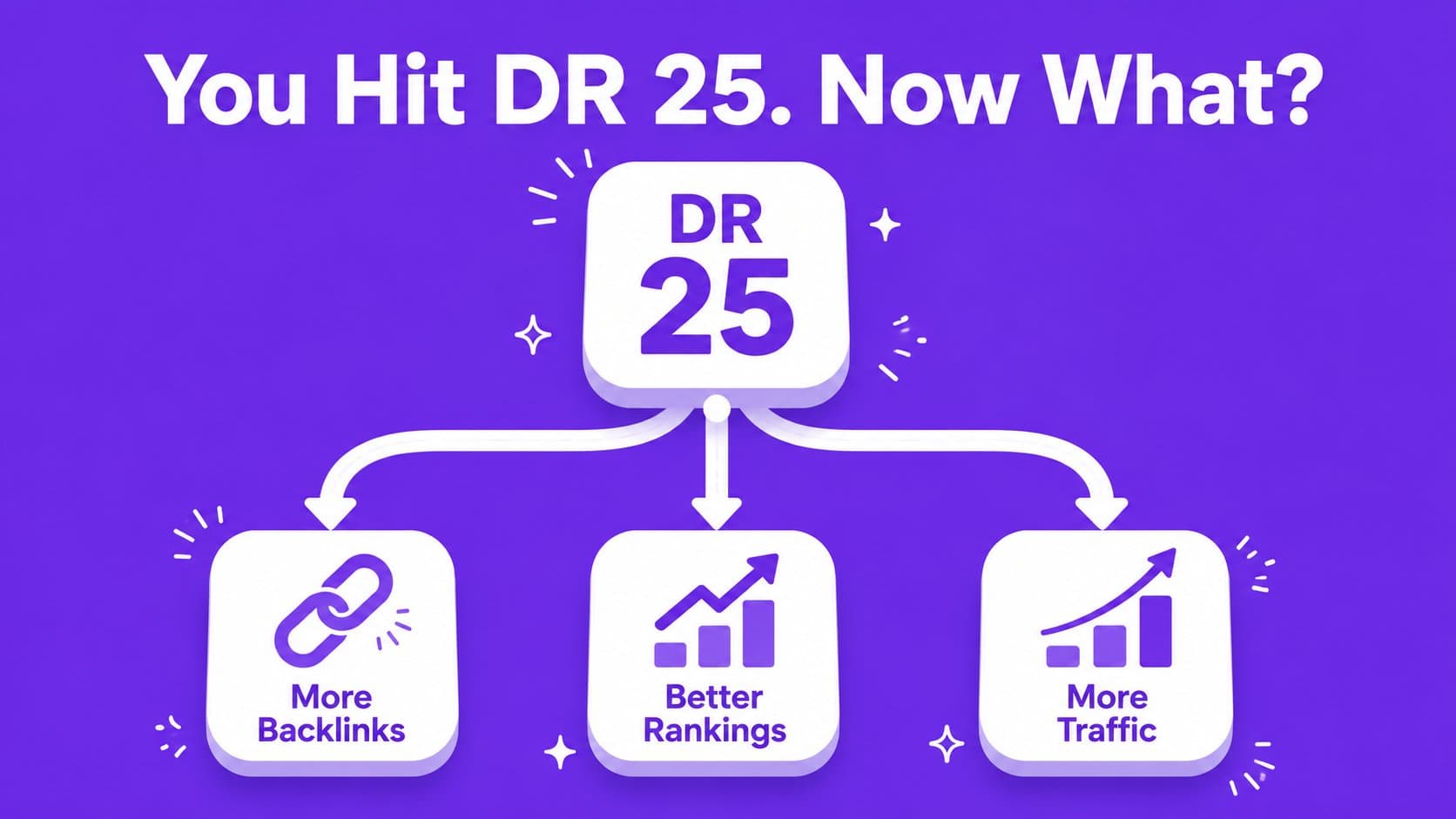
The honest middle: DR is a precondition, not a goal. Get to DR 20 fast, then stop thinking about it and focus on content + on-page SEO.
The fastest way to a "good" DR right now
Two things move DR predictably:
- Free dofollow directory submissions. Each one adds a referring domain. We maintain a list of the directories actually worth submitting to, ranked by DR.
- Earned mentions on industry blogs. Harder, slower, higher ceiling. But you don't need this to clear DR 20.
If you want to skip the manual submission grind, that's exactly what Auto Launch does, 40+ vetted directories in a week, average +19 DR in 30 days across paying customers.
Liked this article?