Is SEO Still Relevant in the Age of AI? (Short Answer: Yes)
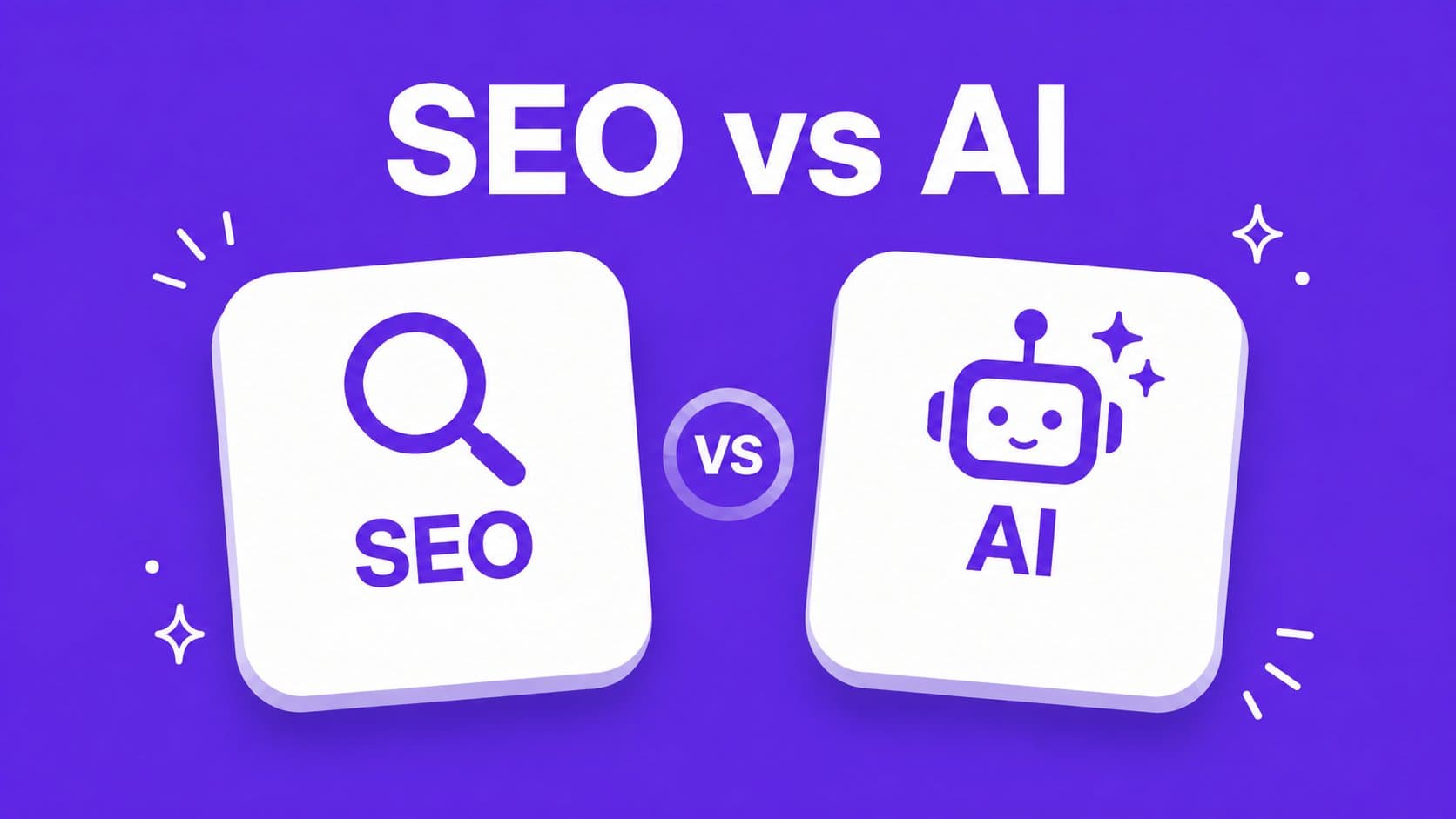
AI search is real, but SEO is more relevant than ever. Here's what changed, what didn't, and the moves that work for both Google and AI answer engines.

Yes, SEO is still relevant. The mechanics changed, the keywords changed, the click-through rates changed. The underlying game, getting your site cited as an authoritative source, did not.
If anything, AI made SEO more important, because AI assistants pull from the same backlink-weighted signals Google uses to decide who's trustworthy.
What changed when AI search arrived
Three things shifted in the last 18 months:
- Click-through rates dropped on informational queries. When Google's AI overview or ChatGPT answers a "what is" question directly, users don't click through to your post.
- AI assistants started citing sources. Perplexity, ChatGPT browsing, Google AI overview, Claude, all of them name where they got their information. Being cited is the new ranking.
- Long-tail traffic got more valuable. AI handles head terms, but specific intent queries still drive real clicks to real pages.
The first one feels scary. The second one is the new opportunity. The third one is where indie builders win.
Why SEO still matters (and matters more)
AI assistants don't invent their answers. They pull from sources, and they decide which sources to trust using mostly the same signals Google uses: authority of the domain, citations from other authoritative domains, depth and freshness of content.
In other words: Domain Rating still drives who gets cited. A DR 30 site with a clear answer gets pulled into AI responses. A DR 5 site with the same answer doesn't.
So the things that move SEO, dofollow backlinks, topical clusters, internal linking, also move AI citation rates. The work compounds in both channels at once.
What's different about ranking for AI
A few new rules apply on top of the classic SEO playbook:
- Structured answers beat long winding posts. AI scrapers prefer pages where the answer is obviously in one paragraph near the top.
- Tables and lists get cited disproportionately. If your post compares 5 things in a table, AI is more likely to pull that table than to paraphrase a 5 paragraph essay covering the same ground.
- Cite sources yourself. AI engines reward pages that show their work. Linking out to a few authoritative sources doesn't dilute your authority, it adds to it.
This is mostly the same thing good SEO has always rewarded, just slightly more strict about format.
What didn't change
The boring fundamentals are still the boring fundamentals:
- Backlinks from credible sites still drive trust
- A higher Domain Rating still beats a lower one on competitive queries
- Internal linking still distributes authority across your pages
- Title tags and meta descriptions still determine click-through rate
- Fresh content still outranks stale content with the same authority
If you've been doing SEO right, your traffic mix might have shifted (more AI citations, fewer Google clicks), but the foundational work didn't get cheaper or easier.
What indie builders should actually do
Three moves matter right now:
- Get to DR 20 fast. Same as it ever was. AI engines weight the same signal. We covered the full breakdown in What Is Domain Rating?.
- Restructure posts to be AI-scrapeable. Open with the answer in the first paragraph. Use H2 questions. Use tables when comparing. We follow this pattern on every LaunchPanda post now.
- Cover both head and long tail. Head queries are where AI competes. Long tail is where users still click through to your site.
The fastest move on the first one, as always, is Auto Launch. Most products go from DR 0 to DR 15+ in a month, which puts you in the citation set for AI engines and the consideration set for Google in one move.
The bottom line
SEO didn't die, it changed shape. The work that builds authority for Google also builds authority for AI assistants. The work that builds clickable headlines for SERPs also builds quotable phrases for AI responses.
If you were skeptical about SEO 5 years ago, you'd have missed compounding organic growth. If you're skeptical now, you'll miss compounding AI citations on top of that.
Both pay rent. Both compound. Both still start with backlinks.
Liked this article?